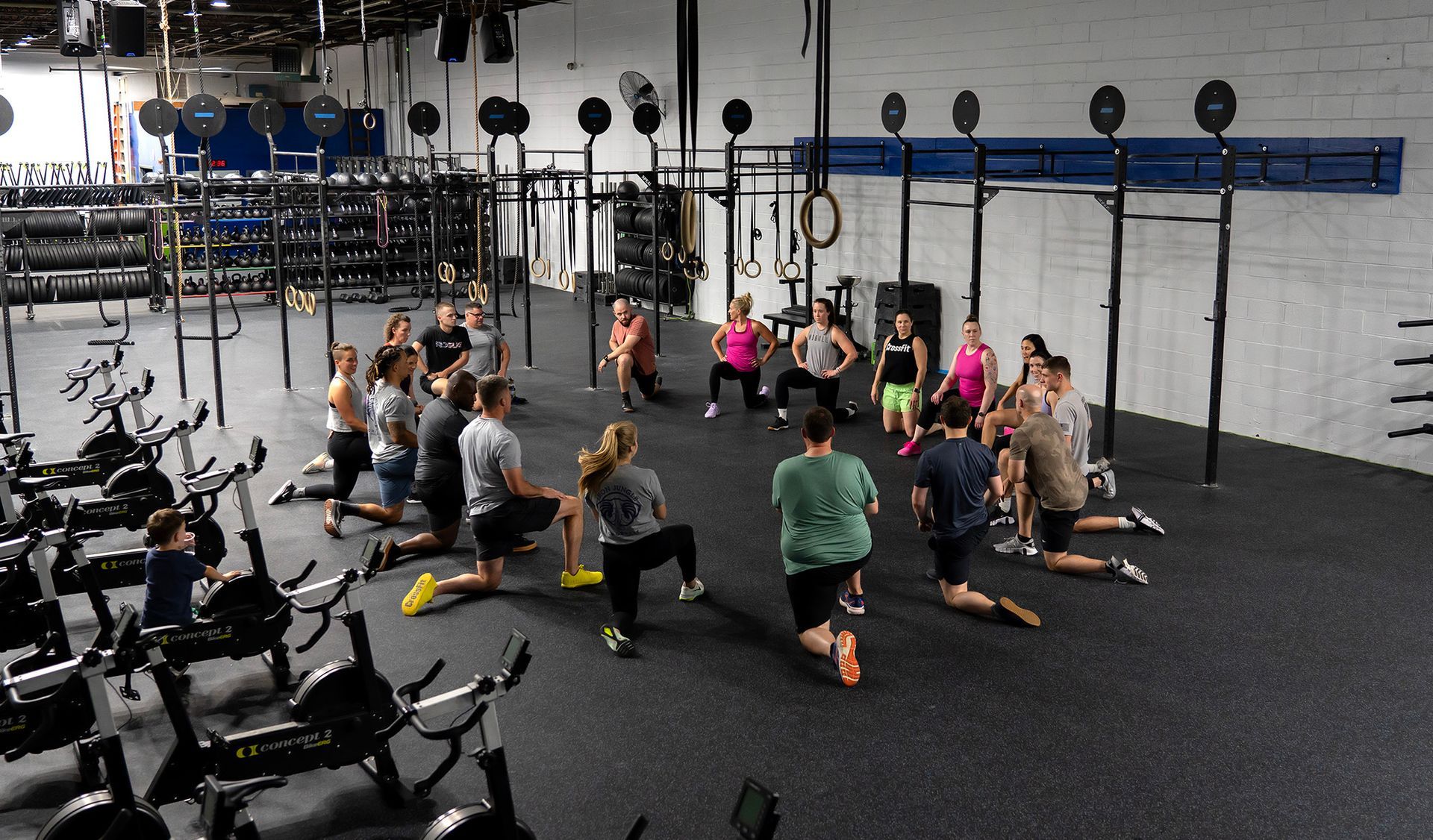
We often talk about motivation as if it’s the key to getting fit. You need to feel motivated to work out. Motivated to eat well. Motivated to get up early. Motivated to keep going when things get hard. But here’s the thing about motivation: it comes and goes. Some days you’re excited to work out. Other days, the couch sounds pretty good. Some weeks you feel focused and energized. Other weeks, life gets busy and fitness falls lower on the priority list. That’s why your environment matters so much. Your Environment Shapes Your Habits Think about the people you spend the most time with, the places you spend your time, and the routines you have built into your day. If exercise is part of your normal routine, it becomes easier to keep doing it. If the people around you value health and fitness, it becomes easier to prioritize those things yourself. Your environment can either make healthy choices feel more natural—or make them harder. That doesn’t mean you need perfect discipline or endless motivation. It means creating an environment that supports the person you want to become. This Is Where Community Makes a Difference One of the things that makes a CrossFit gym different is the community. You don’t have to walk through the doors every day feeling motivated. Sometimes you just need to know that your friends are going to be there. You know your coach is expecting you. You know someone will notice if you’re missing. You know you’ll probably leave feeling better than when you walked in. That accountability can be incredibly powerful. And it works both ways. You aren’t just showing up for yourself—you become part of an environment where other people are working toward their goals, too. There is something motivating about being surrounded by people who are willing to work hard, celebrate progress, encourage each other, and keep showing up. Surround Yourself With People Who Lift You Up Your environment isn’t just your gym. It’s your life outside the gym, too. Who do you spend your time with? What conversations are you having? What habits are being normalized around you? Are the people around you encouraging you to take care of yourself? Are they celebrating your progress? Do they support your goals? You don’t have to surround yourself with people who are exactly like you. But being around people who encourage growth, effort, and healthy habits can make a meaningful difference. Sometimes the easiest way to change a habit is to change what surrounds the habit. Make the Healthy Choice the Easy Choice You can also create an environment that makes consistency easier. Put your workout clothes out the night before. Schedule your classes. Keep nutritious foods available at home. Plan your workouts around your family’s schedule. Find a gym where you enjoy spending time. Build relationships with people who hold you accountable. None of these things require you to feel motivated every single day. They’re systems that help you follow through when motivation isn’t there. You Don’t Need More Motivation. You May Need More Support. There will always be days when you don’t feel like working out. That’s normal. The goal isn’t to become someone who is motivated all the time. The goal is to create routines and an environment that help you keep moving forward even when motivation is low. Because consistency isn’t built on having a perfect day every day. It’s built by showing up again and again. And sometimes, the best thing you can do for your fitness isn’t find more motivation. It’s find the right environment. Find the people who encourage you. Find the place where you feel supported. Find a routine that fits your life. Create an environment that makes showing up easier—and let consistency take care of the rest. We can help! Book your free No Sweat Intro to meet with a coach.

Why You Don’t Need to Be “Fit Enough” to Start CrossFit
Why HYROX Is So Much Fun—and Why It’s Great for Your Fitness
Melissa has three kids, a spouse and a full-time job. She feels like she can barely go to the bathroom by herself.
If I asked you if eating healthy foods was important, you would say "absolutely," right? And if I asked whether exercise is key for health and wellness, you would most likely respond with a yes. So if we know that nutrition plus fitness is the magic formula for living a vibrantly healthy life, why don't we do it? Why do we prioritize one over the other? Why do we put one on the back burner and only get serious about it when we’ve been slapped in the face by a wake-up call, such as getting winded by one flight of stairs or a high blood-pressure reading?
It’s been said that you become the average of the five people you spend the most time with.
Members: we need your help!
Take a few breaths. Notice if you are inhaling through your mouth or your nose. Pay attention to whether you are breathing into your chest or your belly. If you are in a relaxed state, most likely you can inhale through your nose easily and breathe into your belly. If you are a bit more stressed, you may notice your shoulders rising up and be questioning - it’s possible to inhale through your nose??
We had to move all of our classes inside due to the storm today so I wanted to put together a short blog post with some tips for working out inside. Right now, you must wear your mask the entire time you are inside and we have circles set up that are 6+ feet apart.
One of the biggest misconceptions about CrossFit is that you need to be fit before you start. Images of elite athletes lifting heavy weights or performing advanced gymnastics movements can make CrossFit seem intimidating. The truth is, CrossFit is designed to be accessible to everyone, regardless of age, experience, or current fitness level.